India's economy opened the 2026-27 financial year on a strong note, with real GDP expanding 7.8% year-on-year in the April-June quarter (Q1 FY27), according to data released by the Ministry of Statistics and Programme Implementation's (MoSPI) National Statistics Office (NSO). The reading comfortably beat the Reserve Bank of India's projection of 7% for the quarter and came in well above most private economists' estimates, which had ranged around 7.4%.

The Headline Numbers: Real GDP touched ₹81.36 lakh crore in Q1 FY27, up from ₹75.46 lakh crore in the same quarter a year earlier, the arithmetic behind the 7.8% growth figure. In nominal terms, which are not adjusted for inflation, GDP rose 10.3% to ₹88.27 lakh crore, compared with roughly ₹80 lakh crore in Q1 FY26.
How This Year Compares With Last Year
The 7.8% growth rate for Q1 FY27 represents a marked improvement over the same quarter last year. According to the latest revised estimates, Q1 FY26 (April-June 2025) growth stood at 6.9%, meaning the economy accelerated by nearly a full percentage point year-on-year. It's worth noting that Q1 FY26 had initially been reported at 7.8% as well when first released last August, but subsequent revisions, a routine part of MoSPI's data cycle as more source information becomes available, brought that figure down to 6.9%.
At the same time, the Q1 FY27 print is a step down from the 8.6% growth recorded in the preceding quarter (Q4 FY26, January-March 2026), suggesting the pace of expansion, while still robust, has moderated slightly from the highs seen earlier in the year.
Sector-Wise Performance
Growth was broad-based but uneven across sectors:
- Services led the charge, surging 10% during the quarter, reflecting strong domestic and export demand for IT, financial, and other service-sector output.
- Manufacturing grew 9.2%, an improvement on the 8.3% pace recorded in Q1 FY26, with infrastructure-linked companies contributing significantly to the uptick.
- Capital investment (gross fixed capital formation) jumped 11.9%, pointing to a pickup in both private and public investment activity.
- Agriculture grew a more modest 3.6%, continuing to be a watchpoint given concerns around an uneven monsoon this year.
- Mining was the laggard, contracting 2.4% during the quarter.
Growth Despite Oil and War Shocks
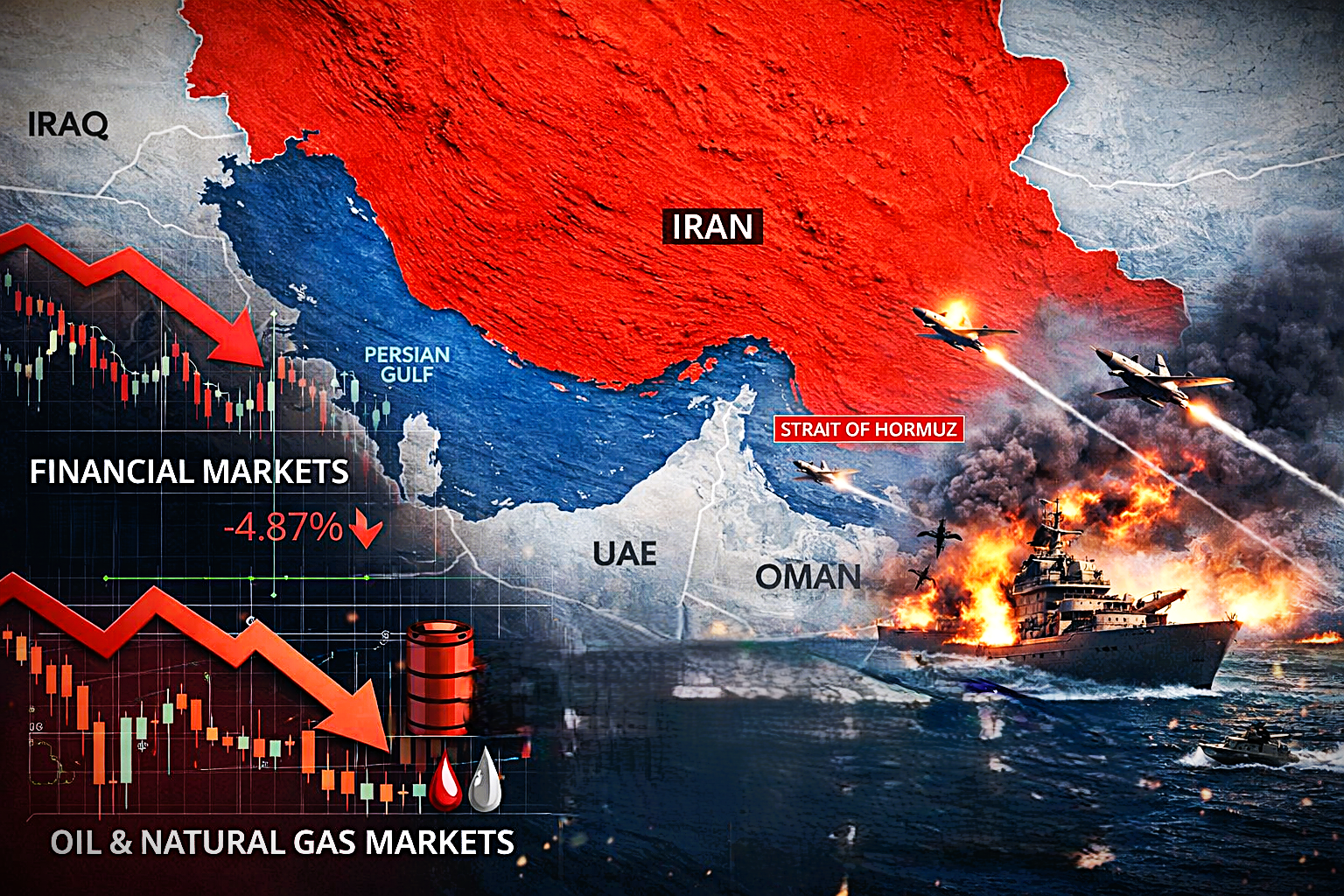
Perhaps the most striking part of the Q1 FY27 story is that this growth came when the economy was absorbing a serious external shock. Following the US-Israel military action against Iran in late February 2026, the Strait of Hormuz, the corridor through which roughly a fifth of the world's seaborne oil trade passes, came under severe strain, and crude prices spiked sharply. Dated Brent reportedly touched around $140 a barrel in late March and early April, its highest level since 2008, before easing somewhat as the quarter progressed.
The Indian crude basket, which had been trading near $69 a barrel in February, jumped to about $113 in March and climbed further to roughly $114 in April, before easing to around $106 in May and falling more sharply to near $79 by mid-June as the conflict cooled. Because India imports about 85% of its crude requirement, this spike fed directly into the import bill: government data from the Petroleum Planning and Analysis Cell showed the crude import bill rose to over ₹1.5 lakh crore in April 2026, more than 70% higher than the same month last year, even though the actual volume of oil imported was slightly lower.
The shock also rattled financial markets. The rupee weakened sharply, touching record lows against the dollar during the quarter, and bond yields rose as investors priced in the risk of oil-driven inflation. State-run oil marketing companies chose to absorb much of the cost rather than pass it on to consumers, reportedly running losses of close to ₹1,000 crore a day at the peak, in order to keep retail petrol and diesel prices stable and shield household budgets and inflation readings.
That the economy still posted 7.8% growth against this backdrop points to underlying resilience, strong services activity, steady government capital spending, and contained consumer inflation, all of which helped cushion the impact. However, economists caution that had the conflict persisted at its peak intensity through the whole quarter rather than easing from May onward, the drag on growth and the current account could have been considerably larger.
What's Driving the Growth
Economists tracking the data point to strengthening domestic demand and investment as the key drivers this quarter. The nominal GDP growth of 10.3%, higher than the real growth rate, indicates that inflation also played a role in boosting headline output values. Government capital expenditure and resilient urban and rural consumption have both been cited as supporting factors, even as global headwinds including geopolitical tensions in the Middle East, elevated energy prices, and tariff-related uncertainty persisted through the quarter.
The Outlook Ahead
Despite the strong start to the fiscal year, the RBI has kept its full-year FY27 growth forecast at 6.7%, implying policymakers expect some moderation in growth over the remaining three quarters. Analysts will be watching high-frequency indicators such as the Purchasing Managers' Index, e-way bill generation, and monsoon progress closely, as these will shape expectations for Q2 FY27 and beyond.
Overall, the Q1 FY27 numbers reinforce India's position as one of the fastest-growing major economies in the world, even as global uncertainty continues to weigh on the broader outlook.
Sources: Ministry of Statistics and Programme Implementation (MoSPI), National Statistics Office (NSO), Reserve Bank of India (RBI) monetary policy statements, and financial news reporting