Monday marked sixty days since Washington and Tehran signed the memorandum of understanding meant to produce a lasting peace in their war. That deadline has now passed with no deal, no extension, and by most honest accounts no real progress. What today's picture shows instead is a conflict drifting sideways: still lethal, still economically corrosive, and still being narrated in two incompatible versions by the two governments fighting it.
A Waterway Still in Dispute
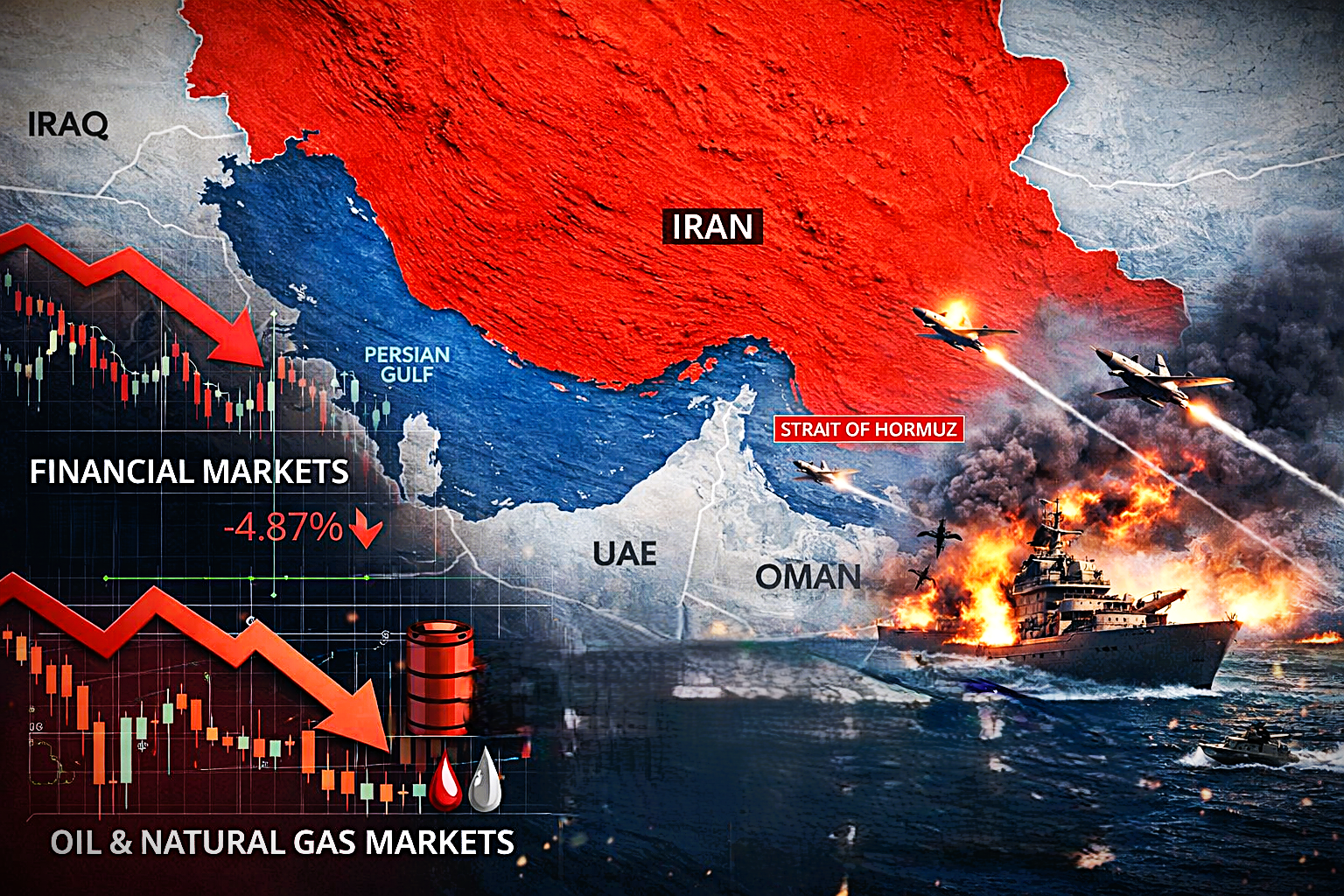
President Trump opened the week by threatening Oman, warning he would strike the country if it "gets in the way" of US efforts to reopen the Strait of Hormuz, a notable threat against a longtime American partner that has spent months quietly mediating between Washington and Tehran. Iran's Foreign Ministry, by contrast, described progress with Muscat, saying the two sides had worked out route coordinates for shipping through the strait, even as talks with Washington itself stayed frozen.
The numbers on the water tell their own story. Maritime trackers report barely a dozen vessels passing through Hormuz on a good day now, against a pre-war average near 110. Analysts say the real figure may be even murkier, since a growing number of ships are switching off their satellite trackers and using ship-to-ship transfers to move oil without being traced; some operators are managing risk rather than trusting any claim that the strait is safe. CENTCOM says it has redirected 64 commercial vessels, disabled three, and boarded two since its blockade began, a reminder that it is the US Navy, not ordinary shipping law, setting the terms of passage. Attacks continue regardless: a vessel tied to the UAE's state oil company was hit in the strait just days ago, which Abu Dhabi called a clear breach of international law.
Two Governments, Two Clocks
Washington's posture remains one of engineered patience. Officials point to Iran's battered currency and stalled oil exports as the real pressure point, with military threats like the one against Oman used mainly to keep the edges of the standoff unsettled. Trump has repeatedly said he is in no rush to close a deal, treating time itself as leverage against Tehran. Iran's posture is one of selective diplomacy, moving forward with Oman on shipping arrangements while declining to confirm any return to talks with Washington, a way to project regional legitimacy without conceding ground on the core dispute. Markets, for their part, have stopped waiting for a resolution: oil prices were flat over the weekend, US gas has held above four dollars a gallon for weeks, and traders describe an eerily quiet market defined by the absence of news rather than the presence of a deal.
The Takeaway
Nothing that happened this week amounts to a breakthrough or a collapse, and that arguably is the story. A war now in its twenty-fourth week has settled into a pattern where deadlines expire without consequence, and each side finds a narrower diplomatic win to point to: Iran's coordinates deal with Oman, a US Navy insisting it is enforcing compliance while the larger dispute over Hormuz and sanctions relief goes nowhere. Wars that lose their deadlines rarely find new ones on their own. Until either Washington or Tehran decides that waiting costs more than moving, today's stalemate is likely to look much the same next week, and the week after.