Mumbai is once again at the centre of the financial technology world this week, as the Global Fintech Fest (GFF) 2026 brings together policymakers, regulators, bankers, entrepreneurs, and investors from more than 80 countries for its seventh edition.
What Is the Global Fintech Fest?
Launched in 2020, GFF has grown into what organisers describe as the world's largest annual platform dedicated to fintech and the wider financial services ecosystem. It is jointly organised by India's leading payments and fintech industry bodies and is backed at the highest levels of government. This year's edition carries support from the Ministry of External Affairs, the Ministry of Electronics and Information Technology, the Ministry of Finance, and the Reserve Bank of India.
The festival's stated purpose is to convene regulators, financial institutions, technology firms, startups, and academics on one platform to shape a "responsible, inclusive, and dynamic" future for global finance.
Where and When
GFF 2026 is being held from September 8-11 at the Jio World Centre in Mumbai's Bandra Kurla Complex, with the main conference programme running September 9-11 for pass holders (September 8 sessions were by special invitation only). The event is expected to draw well over a thousand global fintech leaders, alongside a large expo floor featuring hundreds of exhibitors.
This Year's Theme
The 2026 edition is themed "Potential to Impact: Agentic AI, Tokenisation, Quantum, Trusted, Connected, Global Systems for Inclusive Finance." The programming is built around exploring how emerging technologies, particularly agentic AI, programmable finance, and quantum computing, can move from experimental potential to measurable, trustworthy impact for citizens and businesses worldwide.
Key Highlights: PM Modi's Address
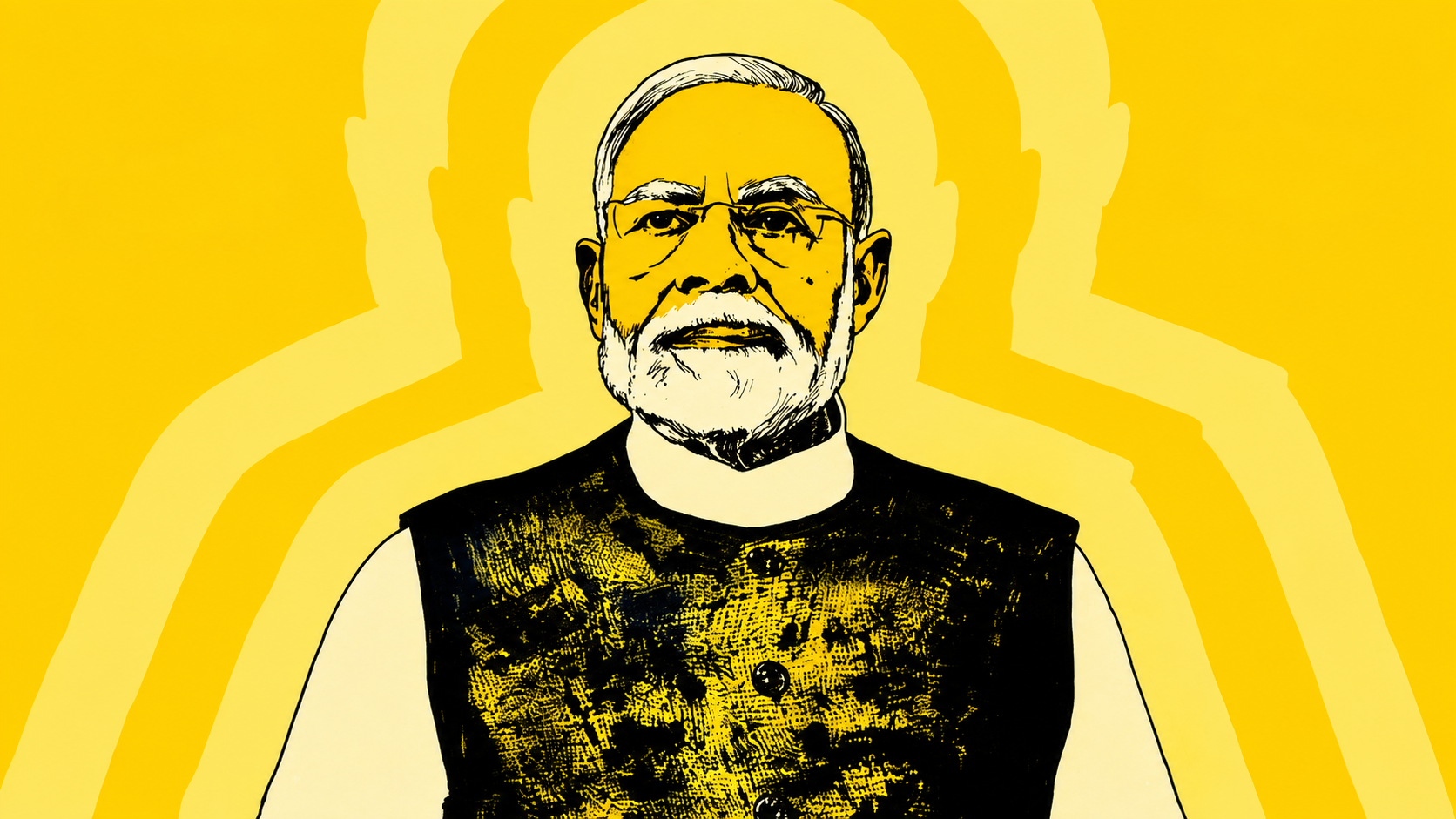
Prime Minister Narendra Modi formally inaugurated GFF 2026, marking his third consecutive appearance at the event, a "hat-trick" he linked to his government's third consecutive term. His key points included:
- UPI's next phase: Citing UPI's ten years of operation (completed August 25) and its live presence in 11 countries, Modi urged fintechs to expand UPI beyond payments into savings, credit, insurance, and pensions, and called for linking India's payment rails with those of countries with strong trade and diaspora ties.
- Economic backdrop: He pointed to India's 7.8% GDP growth in the April-June quarter as a marker of resilience amid global trade tensions and supply-chain pressures.
- Inclusion in action: He cited the PM SVANidhi scheme, which brought street vendors into the formal credit system as an example of fintech-driven inclusion, noting it had lifted vendors' average annual income by more than 20%.
- Four priorities for industry: stronger cybersecurity, voluntary data-protection standards, closer coordination with regulators, and a proposed Fintech Consumer Protection Index.
Key Highlights: RBI Governor's Address
RBI Governor Sanjay Malhotra also addressed the opening session, framing fintech as central to India's financial transformation:
- From branch to hand: He said fintech has taken banking "from the branch to the hand of every citizen," with shopkeepers, farmers, and young professionals now transacting, saving, and borrowing through UPI, the Aadhaar-enabled payment system, and the Jan Dhan ecosystem; inclusion, he called "a lived, everyday reality" for hundreds of millions of Indians.
- Efficiency gains: He noted fintech has cut account-opening and payment-settlement times, lowered transaction costs, and strengthened fraud detection through AI-driven analytics.
- RBI's approach: Malhotra described the central bank's engagement with the sector as "continuous, open and constructive," citing support for self-regulation and digital public infrastructure while balancing innovation with trust.
- Scale of the event: GFF Chair Kris Gopalakrishnan (Infosys co-founder) said the 2026 edition is expected to draw more than 100,000 delegates, 8,000-plus participating institutions, over 1,200 speakers, and 500-plus investors.
Maharashtra Chief Minister Devendra Fadnavis has separately used the event to position Mumbai not just as India's financial capital, but as the country's dedicated "Fintech Capital."
Why It Matters
GFF has become a barometer of India's ambitions in digital finance, showcasing the country's Digital Public Infrastructure (built around UPI and Aadhaar) as a model for other economies, including those in the Global South. For the global fintech industry, it offers a rare setting where regulators, central bankers, and private innovators debate the same emerging technologies- AI, tokenised assets, and quantum-safe systems that will shape how money moves over the next decade.
Sources: Global Fintech Fest official website (globalfintechfest.com); Press Information Bureau/Free Press Journal; ANI News; Entrepreneur India; Business Standard; The Tribune.